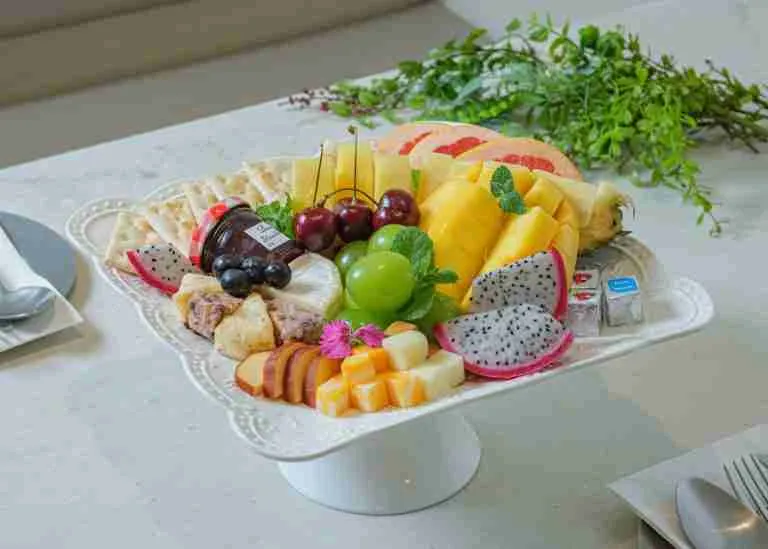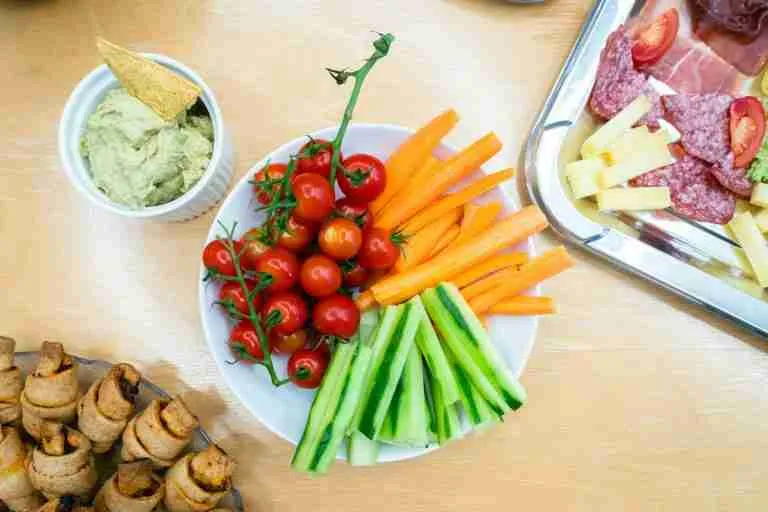
Creating a Mediterranean Greek charcuterie board is a delightful way to showcase the rich culinary traditions of the Mediterranean region. This vibrant spread can be a centerpiece for gatherings, parties, or even a casual family dinner. With an array of flavors and textures, a Mediterranean Greek charcuterie board is not only visually appealing but also offers a unique culinary experience that encourages sharing and conversation.
A charcuterie board traditionally focuses on meats and cheeses, but it has evolved to include a variety of foods. The Mediterranean twist adds fresh vegetables, olives, nuts, fruits, and dips, making it a more diverse and colorful option. The beauty of a charcuterie board lies in its adaptability; you can customize it to reflect seasonal ingredients, personal preferences, and dietary needs.
When constructing your Mediterranean Greek charcuterie board, consider incorporating a variety of high-quality ingredients that capture the essence of Greek cuisine. Here are some essential components to include:
Assembling a charcuterie board can be an art form in itself. Here are some tips for creating an eye-catching and delicious Mediterranean Greek charcuterie board:
Start with a large wooden board or a marble slab. The size will depend on the number of guests you’re serving. A larger board allows for more variety and visual appeal.
Begin by placing your cheeses on the board. Cut some into wedges, cubes, or slices, and leave some whole for guests to slice themselves. Position them in different areas to create balance.
Fold or roll the cured meats and place them near the cheeses. Consider using small bowls for spreads like hummus or tzatziki to keep things organized and to prevent them from spilling onto other items.
Fill in the gaps with fresh vegetables and fruits. This not only adds color but also provides a variety of flavors and textures. Use clusters of tomatoes, cucumber slices, and artichoke hearts to create visual interest.
Scatter olives and nuts throughout the board. Their round shapes and contrasting colors will draw the eye and make the board more inviting.
Place small bowls of dips on the board. This makes it easy for guests to help themselves and keeps everything neat.
Add herbs like fresh rosemary or thyme for garnish. This not only enhances the aroma but also adds an elegant touch to your presentation.
One of the best parts of creating a Mediterranean charcuterie board is the ability to personalize it to your taste. You can easily select your favorite high-quality ingredients, from cheeses and cured meats to fruits and dips. This flexibility means that whether you prefer a cheese-heavy board or one that focuses more on meats and dips, you can create a spread that reflects your preferences and dietary needs.
Once your Mediterranean Greek charcuterie board is ready, here are some tips to enhance your gathering:
Consider serving your board with a selection of wines or cocktails that pair well with Mediterranean flavors. A crisp white wine, like Sauvignon Blanc or a light rosé, complements the freshness of the vegetables and cheeses. Alternatively, a classic ouzo can offer an authentic Greek touch.
Encourage a casual dining experience by providing ample napkins and small plates. Allow guests to mingle and serve themselves at their leisure, which promotes a relaxed, social environment.
If you’re serving a large group, consider labeling the ingredients on your board. This not only adds a fun touch but also helps guests with dietary restrictions to make informed choices.
In addition to your charcuterie board, consider offering fresh bread, pita chips, or crackers. These are perfect for dipping and pairing with your spreads.
Creating a Mediterranean Greek charcuterie board is a fantastic way to celebrate the flavors of the Mediterranean while fostering a sense of community and connection. With a careful selection of cheeses, meats, vegetables, and dips, you can craft a stunning board that will delight your guests.
Enjoy the endless possibilities of Mediterranean cuisine, and create a charcuterie experience that’s uniquely yours!
Share this post on:
Nutty, firm, and rich with a sharpness that lingers.
Creamy and indulgent, with a buttery texture perfect for spreading.
Soft, tangy, and perfect with fresh fruits or honeycomb.
Nutty, firm, and rich with a sharpness that lingers.
Creamy and indulgent, with a buttery texture perfect for spreading.
Soft, tangy, and perfect with fresh fruits or honeycomb.
Nutty, firm, and rich with a sharpness that lingers.
Creamy and indulgent, with a buttery texture perfect for spreading.
Soft, tangy, and perfect with fresh fruits or honeycomb.