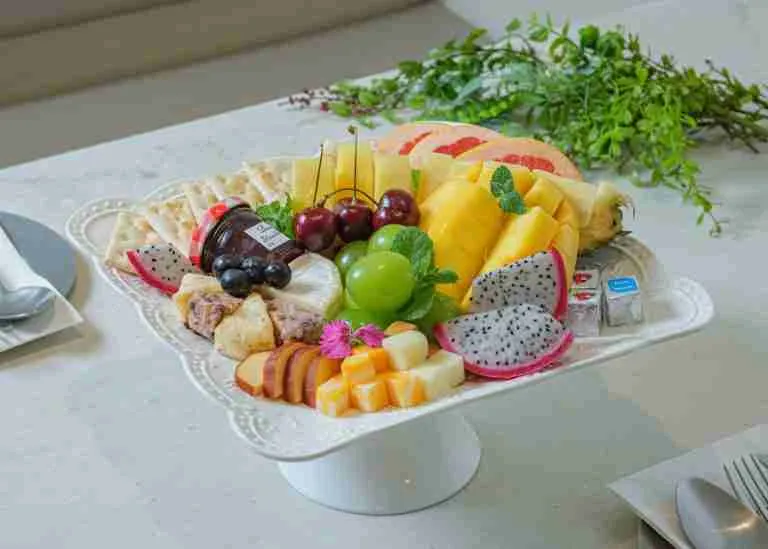
Whether you’re hosting a dinner party, planning a cozy evening in, or putting together a beautiful gift, a well-made meat and cheese platter is always a hit. Often called a charcuterie board, this timeless crowd-pleaser blends savory meats, bold cheeses, and colorful accompaniments into one delicious, stylish spread. But making one from scratch? Easier than you think—and a lot more fun.
In this guide, we’ll walk you through how to build a balanced, eye-catching meat and cheese tray step by step. From choosing the right ingredients to creating Instagram-worthy arrangements, we’ve got you covered.
The foundation of every great board is the quality of what goes on it. Whether you’re making compact cheese trays for brunch or large charcuterie board trays for a party, the first step is selecting the right ingredients.
Aim for 3–5 cheese varieties depending on the size of your board. Mix textures and strengths:
Go for charcuterie meats that are flavorful and easy to serve:
Add texture, color, and taste contrast:
Prepping is what makes your meat and cheese trays feel elevated—not rushed.
This is also a great time to pre-sort ingredients by how they’ll be placed—so when you arrange the board, everything flows smoothly.
Place your cheeses first. These are the anchors of your cheese tray and create structure for the rest of the layout.
Next, build around the cheese with your charcuterie board meats. This is where your meat and cheese platter starts to come alive.
You’re aiming for a natural, unstructured flow—think rustic elegance.
Now it’s time for crackers, crostini, or thin baguette slices. These are the vehicles for all that cheese and meat, so make sure there’s plenty.
Place them:
Use mini ramekins for dips if needed.
Now bring the board to life. Fill the small spaces with colorful, tasty extras.
This adds dimension, color, and excitement to your charcuterie board tray.
Once the essentials are in place, you can now style it like a pro.
Stand back and adjust for symmetry and color balance.
You’ve heard all three: meat and cheese tray, meat and cheese platter, and charcuterie board tray. So what’s the difference?
No matter which you choose, the foundation is the same: quality ingredients, thoughtful presentation, and balance.
A great meat and cheese tray shines even more with the right drink pairings.
You can take your charcuterie concept even further by styling trays for specific occasions.
Maple ham, cinnamon pecans, apple slices, pumpkin butter
Mini waffles, fruit, goat cheese, honey drizzle
Neatly arranged brie, cheddar, salami, olives, and crackers
Add a custom note, ribbon, or include wine or mocktails for a full package
If not served immediately, wrap your meat and cheese platter tightly and refrigerate. For leftovers:
Creating your own meat and cheese tray is less about strict rules and more about creativity, balance, and pleasure. With the right ingredients and just a little intention, you can turn an ordinary snack board into a gourmet centerpiece—or a meaningful gift.
Whether you call it a cheese tray, charcuterie board tray, or a meat and cheese platter, one thing is true: it brings people together. And that’s always worth the effort.
Share this post on:
Nutty, firm, and rich with a sharpness that lingers.
Creamy and indulgent, with a buttery texture perfect for spreading.
Soft, tangy, and perfect with fresh fruits or honeycomb.
Nutty, firm, and rich with a sharpness that lingers.
Creamy and indulgent, with a buttery texture perfect for spreading.
Soft, tangy, and perfect with fresh fruits or honeycomb.
Nutty, firm, and rich with a sharpness that lingers.
Creamy and indulgent, with a buttery texture perfect for spreading.
Soft, tangy, and perfect with fresh fruits or honeycomb.